
Expert Tips from Our Moving Blog: Professional Organizing Techniques for a Smooth Transition
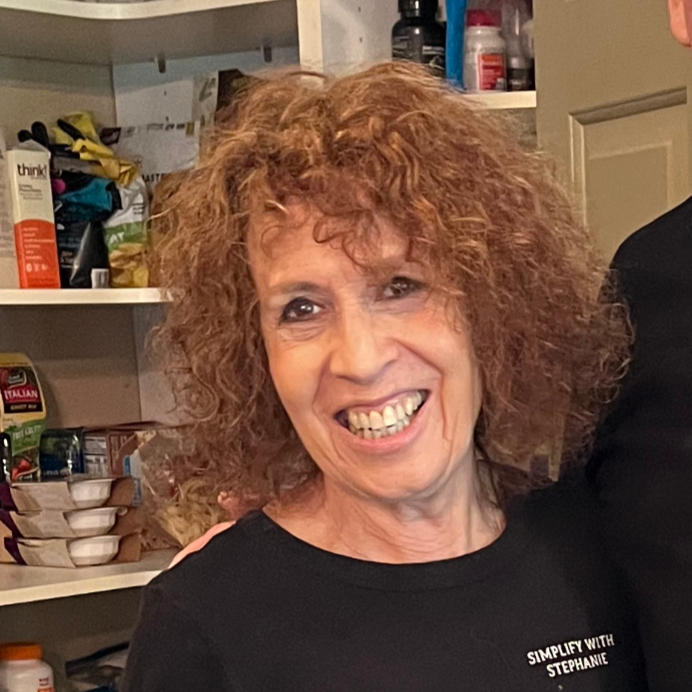
Moving house is rarely a simple affair. Whether you’re relocating to a new family home, downsizing after years in one place, or managing a transition like a renovation or a fresh start, the process can feel overwhelming. Over the years, I’ve gathered a few professional organising techniques that help keep the chaos at bay and make the whole experience more manageable. These tips come from hands-on experience and a calm, practical approach that I hope will lower your blood pressure rather than raise it.
Planning Ahead: The Foundation of Professional Organising Techniques
The first step to a successful move is planning. It sounds obvious, but the difference between a stressful move and a smooth one often comes down to how well you prepare. Start by creating a timeline that breaks down the weeks and days leading up to your move. This should include:
Decluttering sessions: Sort through your belongings room by room. Be honest about what you really need and use.
Packing schedule: Assign specific days to pack certain rooms or categories of items.
Logistics: Confirm moving dates, book any necessary services, and arrange for utilities to be disconnected and reconnected.
One practical tip is to label boxes not just by room but by priority. For example, mark some boxes as “Open First” so you can access essentials immediately upon arrival.

This kind of organisation helps avoid the frantic unpacking that often follows a move. It’s about setting yourself up for calm, not rushing to get everything done at once.
Packing Like a Pro: Practical and Efficient Techniques
Packing is often the most time-consuming part of moving. Here are some professional organising techniques that make it less daunting:
Use uniform boxes: They stack better and make loading the van easier.
Wrap fragile items in soft clothing: This saves on bubble wrap and keeps your clothes clean.
Pack heavy items in small boxes: This prevents boxes from becoming too heavy to carry.
Create an inventory list: Keep a simple spreadsheet or notebook with box numbers and contents.
When it comes to clothing, consider packing items on hangers in wardrobe boxes. This keeps your clothes wrinkle-free and ready to hang in your new home.

Remember, packing is not just about putting things in boxes. It’s about thinking ahead to how you’ll unpack and settle in.
Settling In: Making Your New House Feel Like Home
Once you arrive, the unpacking process can feel just as overwhelming as packing. Here are some tips to help you settle in without stress:
Unpack essentials first: Focus on the kitchen, bathroom, and bedrooms.
Set up key furniture: Beds, sofas, and dining tables should be ready early on.
Organise as you go: Don’t just dump boxes in rooms. Take time to put things away properly.
Create a “launch pad” area: A spot near the door for keys, mail, and daily essentials helps keep clutter down.
If you’re moving into a home that’s been lived in before, take a moment to assess the space before unpacking. Sometimes a fresh layout or a bit of reorganisation can make a big difference.
Downsizing and Transitions: Handling Emotional and Practical Challenges
Moving isn’t always about a fresh start. Sometimes it’s about letting go - downsizing after children have left home, or managing a parent’s move to assisted living. These situations require a gentle approach:
Take your time: Don’t rush decisions about what to keep or discard.
Involve family members: Share stories and memories to make the process meaningful.
Hire help if needed: Professional organisers can provide invaluable support.
Focus on what matters: Keep items that bring joy or have practical use.
It’s perfectly normal to feel overwhelmed or uncertain. The key is to approach the process with kindness to yourself and others.
Staying Organised Long-Term: Tips for Maintaining Order
Once you’ve moved and unpacked, the challenge is to keep your home organised. Here are some simple habits that help:
Regularly review your belongings: A quick monthly check can prevent clutter from building up.
Designate places for everything: When everything has a home, it’s easier to keep tidy.
Use storage solutions wisely: Baskets, shelves, and drawer dividers can make a big difference.
Keep a donation box handy: When you find something you no longer need, put it straight in the box.

These professional organising techniques are not about perfection. They’re about creating a home that feels calm and manageable, no matter what stage of life you’re in.
A Calm Approach to Moving and Organising
Moving is a big task, but it doesn’t have to be a source of stress. With a bit of planning, practical packing, and thoughtful unpacking, you can make the process smoother. Remember, it’s perfectly fine to ask for help or take things at your own pace. The goal is to arrive at your new home feeling ready to enjoy it, not exhausted by the journey.
If you’re facing a move or a major home transition, I hope these tips offer some reassurance and practical guidance. After all, a well-organised move is the first step to a home that truly feels like yours.


Comments